2026 Oscar Reviews: 'The Secret Agent'
March 10, 2026

This is the second year in a row that a Brazilian film has been nominated for an Oscar for Best Picture — not only that, but a film specifically about Brazil’s 1964 to 1985 military dictatorship. Last year’s nominee, “Ainda Estou Aqui (I’m Still Here),” dealt with its subject in a more intimate manner, adapted from a memoir of the son of a lawyer who was “disappeared” by the police in 1971.
This year’s, “O Agente Secreto (The Secret Agent),” is a starkly different period piece: a sweeping, colorful, occasionally absurdist conspiracy full of quirky characters and multiple storylines, many of which are never resolved. This is by design: the loose ends are meant to illustrate the frustration of never getting a complete picture when living under a state of repression and censorship. So if you feel confused, don’t fret: so were Brazilian audiences.
This is not merely a very Brazilian shaggy dog story, but one particular to one city in Brazil, Recife, in the 1970s. This is also a deliberate choice by director Kleber de Mendoça, who grew up there, and directed an earlier film set in that region, a dystopian western Bacurau. Recife, in Brazil’s impoverished northeast, is notable for not much except for having the most shark attacks of any 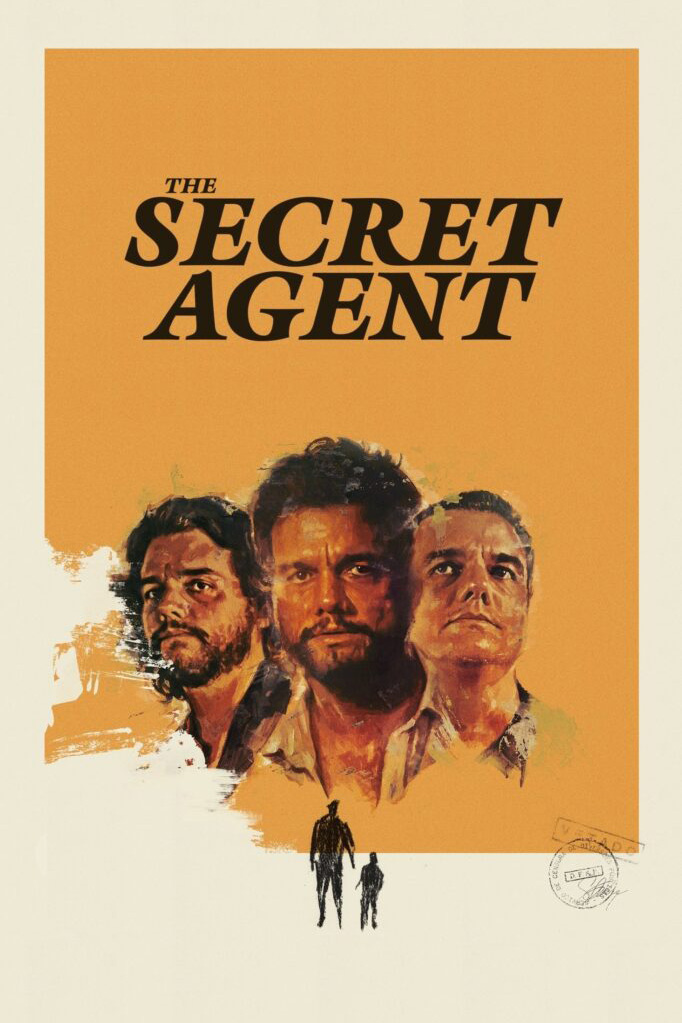 beach city in the world. It could have been much more than that: the entire northeast was neglected and pillaged by the regime for the benefit of the richer states of São Paulo and Rio, the result of which is reflected today in Brazil’s North/South left/right political divide.
The movie depicts these, as well as other, much more regional trivia, such as a running gag about a disembodied human leg that attacks people in parks – which was actually a real news story in Recife at the time. While surreal, it masks a more sinister reality: that the dictatorship spread urban legends about killer sharks or legs to hide the murders by state security forces, which were never acknowledged as such. People simply “disappeared.” As both movies point out, this was a unique cruelty that the state visited on its citizens, since families were unable to grieve loved ones who they never learned were dead. It’s a lesson the current government wishes to impress on the regime’s defenders: Following ex-president Jair Bolsonaro’s conviction of plotting a coup to remain in power, he was sentenced to 27 years, with the possibility of reducing that sentence by writing book reports on selected books, one of which is “I’m Still Here.” Should Brazil’s Oscar run continue, he will have lots more material to choose from.
– Michael Paarlberg, Ph.D., associate professor in the Department of Political Science, College of Humanities and Sciences